+971 42473777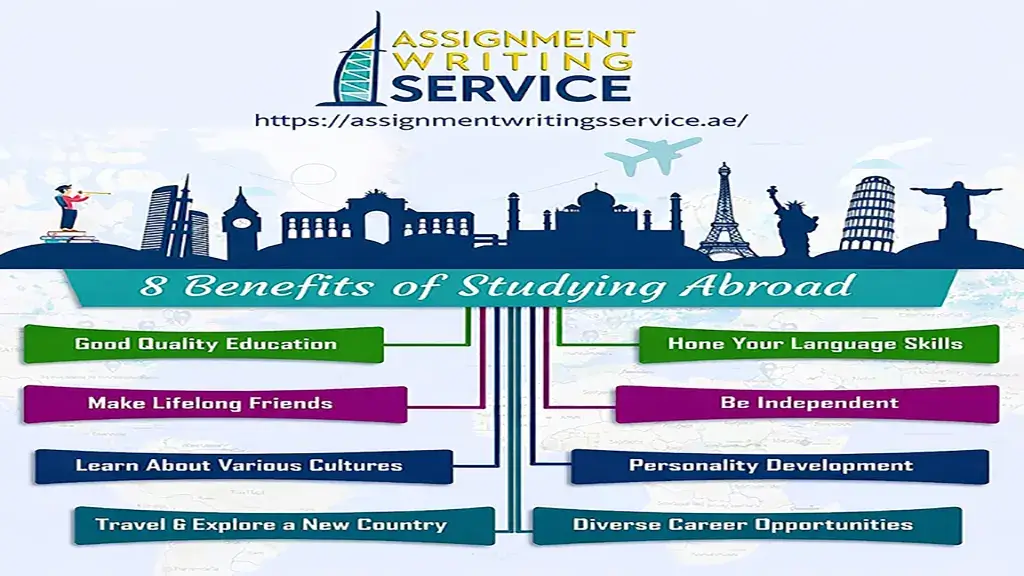
 By
By Let’s be honest, if you are given a chance to study abroad, would you accept it or deny it? I think most of you will accept it. This is because students all across the globe want to study abroad for a promising future.
However, when you actually reach that stage where you have to decide whether to study abroad or not, then you find it hard as you get aware of the realities of life. In this blog, we will be discussing some advantages and disadvantages of studying abroad from my experience.
A few years ago, I travelled to the UAE to complete my master’s at the University of Sharjah. However, I made some indelible memories that I think will never fade from my mind. With all this glitz and stars, I also had to face some challenges (let’s be real, in every step of life, we have to face challenges). You can not just wear rose-tinted glasses when applying for a university abroad. If you are skeptical about studying abroad, then read this blog; it will help you.
What Does Studying Abroad Mean?
In simple terms, studying abroad means traveling to another country for further education. Some people travel for their undergraduate studies, while others travel for their postgraduate studies. Others also travel for diplomas, short exchange semesters, or professional certifications.
Moreover, the major reasons for students studying in a foreign country include: better academic opportunities, modern facilities, international exposure, and better career prospects. If you are planning to study in the UAE and wondering about the benefits, then read this blog: What Are the Benefits of Studying in the UAE?
However, studying abroad does not only have benefits but also some stark realities that can’t be avoided, such as financial struggles, adapting to a completely new culture, and living without family support and it is not as easy as it seems.
Before you decide to study abroad, you must know all the benefits and drawbacks.
Top Advantages Of Studying Abroad:
1. Access To High-Quality Education:
I think the biggest reason why students travel abroad for studies is to access better-ranked institutions and universities that are not available in their own country. Renowned and prestigious universities have top-tier faculty and provide advanced research facilities to students. Also, when you complete a degree from such a university, it is respected globally, and as a result, it leads to better job opportunities.
This is because top-ranked universities are able to equip students with essential and in-demand skills.
2. You Learn To Push The Boundaries & Limits:
If you have decided to study abroad, just know that in a foreign country where everything is new, from food to language to peers, etc., you cannot stay in your comfort zone. You will have to push the boundaries and tackle every challenge that comes your way. As a result, you will learn how to adapt to different situations. Moreover, when you do everything alone, you realize your potential and abilities.
3. Broadening Horizons:
Living in a different country will expose you to a new language, culture, and lifestyle. Meeting new people every day will broaden your brain and change your thinking.
4. You Will Make New Friends:
In your class, you will find many international students who will want to be your friends, and trust me when I say this, such friendships will be everlasting, and the most beautiful study abroad experience.
I also made so many friends, and when you come back to your home country, these are moments you cherish for life.
5. Solo Living:
No matter if you don’t know how to cook or wash clothes, because when you live alone, you will have to do it all by yourself.
Also, if you depend on your mother or father right now for small tasks, then one piece of advice that I will give you is to learn those tasks by yourself; otherwise, at the tiniest inconvenience, you will have to contact your family.
However, when you return from your study abroad experience, you feel a lot more bold and independent.
6. Improved Language Skills:
If you are studying in an English-speaking country or any other foreign language environment, then there’s a chance that you will learn a new language. It will be beneficial as multilinguals are in demand in this competitive job market.
The key benefit would be if you learn to speak and write English fluently. This is because English is now the lingua franca.
7. Making Unforgettable Memories:
Let me be honest, when you live in a foreign country, every other weekend you feel the need to travel somewhere. I traveled to the renowned places in the UAE, and I have many pictures from each trip.
Those memories are unforgettable.
8. A Good Job With A High Salary (A Dream, No?):
Graduating from an international university will give you a competitive edge. This is because employers value candidates who have international exposure, as it shows that they have in-demand skills such as adaptability, independence, and strong communication skills.
Also, many countries allow students to work part-time and apply for post-study work visas after graduation. So, you won’t face any issues in employment, and you will get a good salary.
Top Disadvantages Of Studying Abroad:
1. High Cost Of Education & Living:
I think the major challenge for students when studying abroad is financial expense. We all know that tuition fees are much higher in foreign universities. Other than this, students also have to pay for accommodation, food, transport, health, and insurance, etc.
You may or may not get a job as a student. It depends on the work permit that you have to apply for. Also, there are many scholarships, so you can apply for them.
| The average cost for an undergraduate degree: AED 40,000 to AED 100,000 (USD 10,890 – USD 27,226) per academic year.
The average cost for a graduate degree: AED 50,000 to AED 120,000 (USD 13,613 to USD 32,671) per academic year. Housing fees for university students vary from AED 5,000 to AED 15,000 (USD 1,361 – USD 4,084) per academic year. Source: dmcc.ae |
2. Homesickness & Emotional Stress:
It can be challenging to live away from family and friends, and it can lead to emotional stress. You may feel lonely, anxious, and isolated.
Moreover, missing out on family events and traditional food can make you upset. To avoid it, you will have to connect with them regularly.
Also, keep in mind that this new experience is what others are missing out on.
3. Cultural & Language Issues:
It is not easy to adapt to a new culture. You will feel differences in teaching style, social behavior, food habits, and communication, and this leads to confusion.
Also, if you are not very fluent with the language spoken there, then you will face changes in daily tasks and academic participation.
However, you just need to be patient. Another thing called reverse culture shock can happen, and that is feeling confused when returning home. My advice is not to worry because you will gradually be able to adapt.
4. Academic Pressure & A Different Education System:
The foreign education system is a lot different than what you are used to. Such as continuous assessment, strict deadlines, research assignments, and participation can be overwhelming.
This can make you more stressed.
5. Anxiety To Prepare:
Planning your travel is the most difficult part. You will have to pack so many documents, then find a place to live, and struggle with what things to pack.
There are so many challenges when it comes to finding a place to live, as there are so many scams out in the world.
Is Studying Abroad Right For Me?
Deciding to study abroad is your personal decision, as it depends on your academic goals and financial situation, emotional alacrity, and career plans.
You must first research the universities, then compare the costs. Also, explore the scholarship options and talk to some international students.
However, if you have decided, then it’s better to work on planning your trip.
Practical Tips For Students Planning To Study Abroad:
- Research about scholarships and financial aid.
- Improve language skills.
- Learn basic cooking and budgeting.
- Stay connected with family.
- Join student communities.
- Understand visa rules and work regulations.
- Focus on your academic performance and career from the start ( as this is the major purpose for studying abroad)
All In All!
From my experience, I think the advantages of studying abroad are more than the disadvantages. If you want to enjoy the benefits of studying abroad, you must learn to face some challenges, and then your life will be easy.
Studying abroad will change your life 360 degrees. Just be prepared financially, emotionally, and academically, and you are more likely to enjoy a successful international experience.
FAQs:
Q. What Are The Advantages & Disadvantages Of Studying Abroad?
Ans. The major advantages of studying abroad include access to high-quality education, better career opportunities, adapting to a new culture, learning a new language, travel opportunities, new friends, a lot of memories, and you will learn to push the boundaries. The disadvantages include high financial cost, homesickness, cultural shock, cultural and language barriers, academic pressure, and not knowing how to prepare for the trip.
Q. Is Studying Abroad Good Or Bad?
Ans. It is actually good if you see the long-term benefits. It is because you will get a good job with a higher salary. Also, you will learn some essential life skills.
Q. What Are The Disadvantages Of Being An International Student?
Ans. The major disadvantage of being an international student is the financial struggle. Other than this, you will face issues in adjusting to a new culture and speaking a new language. Also, you can feel lonely.
Q. What Are The Benefits Of Learning Abroad?
Ans. Learning abroad opens doors to many academic and career opportunities. You learn how to live independently and step out of your comfort zone.
Q. Why Is It Best To Study Abroad?
Ans. Abroad is the best place to study because of world-class institutions, better employment opportunities, personal growth, and you gain unique life experiences.
Q. Is It Better To Study In Your Country Or Abroad?
Ans. It is your own decision to study abroad or not. However, with so many benefits to study abroad, you should not miss the chance if you get one.
Q. What Advantages & Disadvantages Are There To Working Abroad?
Ans. The advantages of working abroad include: career and skill advancement, personal growth, cultural immersion and learning a new language, travel opportunities and financial benefits. The disadvantages include: emotional challenges, cultural and language barrier and some financial issues.
Q. Is Studying Abroad Risky?
Ans. In the UAE, you will have to face academic and financial risks. Other than this, some students also face issues in Cultural and Lifestyle Adjustments.
Q. What Are The Disadvantages Of Going Abroad?
Ans. The major disadvantages of going abroad include: high costs, currency and banking issues, housing risk, homesickness, culture shock, and language barrier.